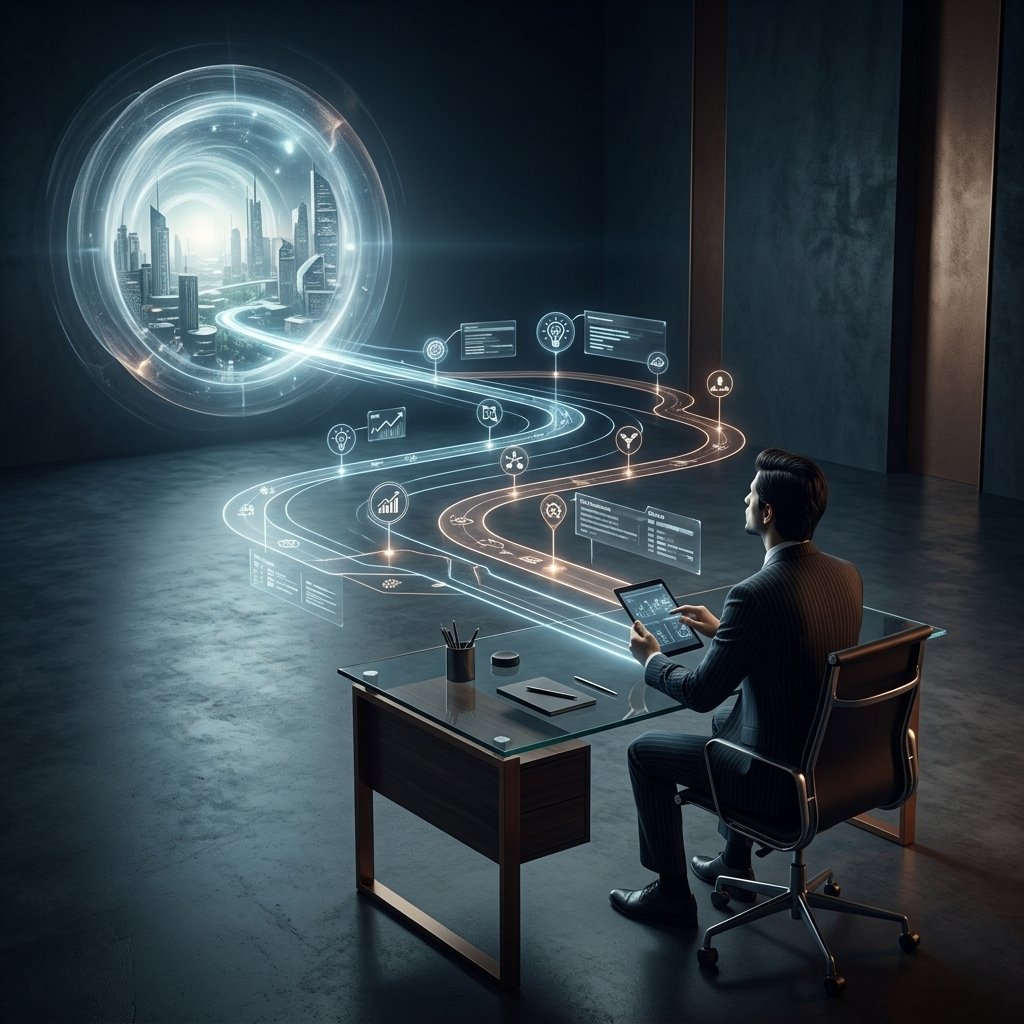

Have you heard the words back casting room? It may sound hard, but it is a simple idea. Many companies, city planners, and even movie makers use this idea. It helps them plan for the future. A back casting room is a place where people first think about the future. Then they plan what to do today to reach that future.
What Is Backcasting?
First, let’s understand backcasting. This is a way of planning. Normal planning looks at what is happening now. It guesses what will happen next. This is called forecasting. Backcasting is different. It starts with a clear goal in the future. Then it works backward. It finds the steps needed today to reach that goal.
For example, a company wants to stop pollution by 2035. Backcasting will ask: What will success look like? What must happen in 2030? What must happen in 2025? What must happen today? This way, even a big goal feels easy. It is broken into small steps.
What Is a Back Casting Room?
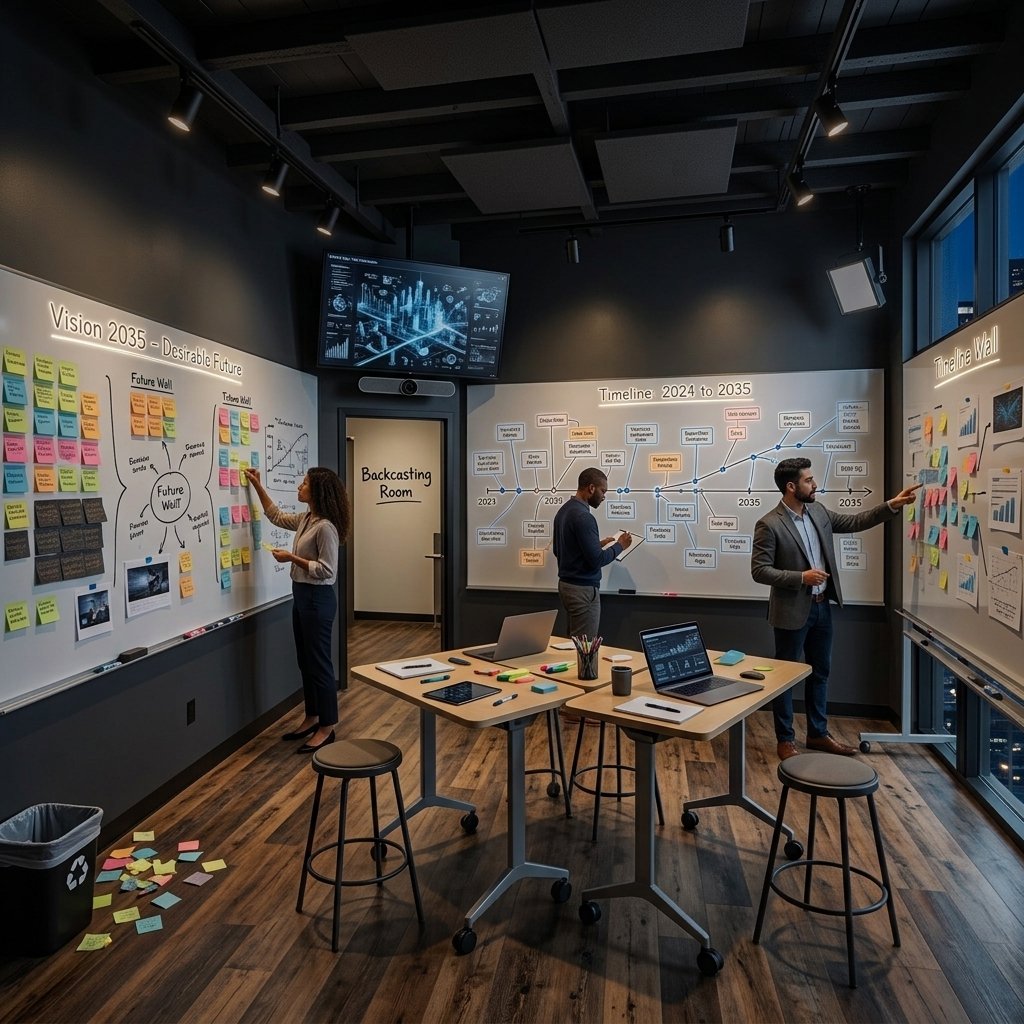
A back casting room is the place where this planning happens. Think of it like a meeting room. But in this room, people do not talk about the past. They talk about the future. Then they plan the steps to reach it.
A back casting room usually has:
- Whiteboards and sticky notes – to write down steps and timelines
- Projectors and screens – to show data and future plans
- Good seating – so people can talk easily
- Timeline charts – to show the path from the future back to today
These rooms help people stay focused. Everyone thinks about one question: “What do we need to do next?”
Where Is This Used?
This idea is used in many fields, not just one.
1. Environmental Planning
Governments and companies use this to plan for a clean future. For example, less pollution or more clean energy. These goals take many years. Backcasting breaks them into small steps.
2. Business Strategy
Companies use this to connect big future goals with today’s work. First, they decide what success looks like in 5 or 10 years. Then they make yearly plans to reach that goal.
3. City Planning
City planners use backcasting to build better cities. Planners and officials sit together. They imagine the city in the year 2040. Then they plan roads, buildings, and rules to get there.
4. Movie Casting
This word is also used in movies. Some studios first imagine a character fully. They think about how the character looks and talks. Then they find an actor who fits that character. This is different from normal auditions.
Why Is This Better Than Normal Planning?
Normal planning asks,What can we do next year? This often gives small, safe goals. A back casting room asks a better question: “What does real success look like? How do we get there?” This small change helps people think bigger.
Some good points of a back casting room are:
- Clear Goal – Everyone works with the same goal. There is less confusion.
- New Ideas – A big future goal makes people think in new ways.
- Better Planning of Resources – Clear steps make it easy to know what is needed and when.
- Better Teamwork – Teams work better when they share one clear goal.
How to Make Your Own Back Casting Room
Want to try this in your team? Here are simple steps:
- Set a clear future goal – Know what success looks like, and by when.
- Bring the right people – Include people from different teams.
- Plan backward, step by step – Break the goal into 5-year, 2-year, and 1-year steps.
- Make it visual – Use whiteboards or charts so everyone can see the plan.
- Give clear jobs – Every step should have one person in charge.
Final Thoughts
The idea of a back casting room may sound big at first. But it is really a simple and useful way of thinking. Instead of only looking at today, teams first imagine their best future. Then they plan backward to reach it. This can help build a clean city, grow a business, or even find the right actor for a movie. A back casting room gives people a clear and easy path. It turns big dreams into real results.