
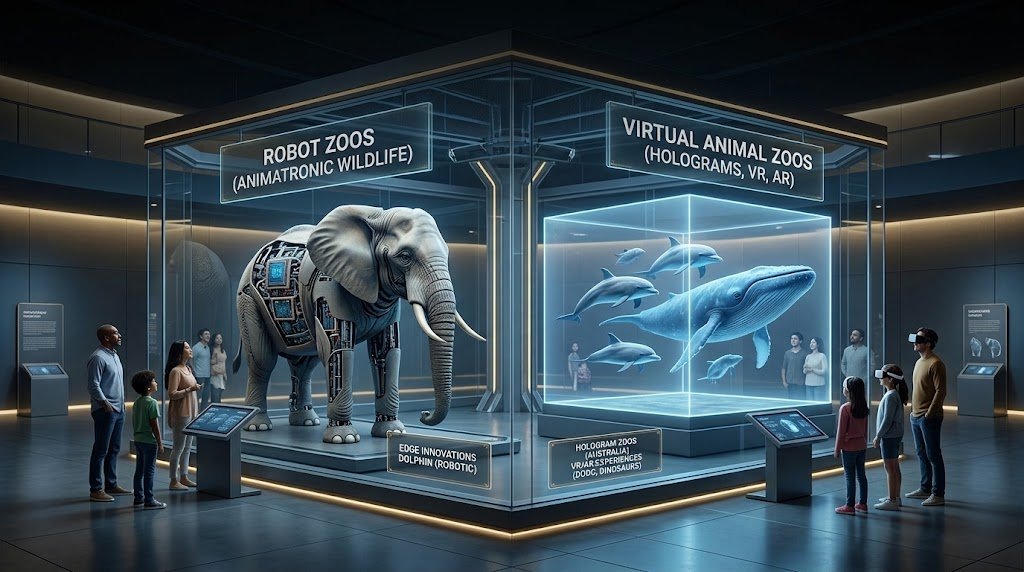

For many years, a zoo has meant one thing: real animals kept in cages so people can see them. But now, a new idea is becoming popular — the artificial zoo. Instead of keeping real animals locked up, artificial zoos use robots and digital technology to let people see animals. This way, animals do not get hurt, and people can still enjoy watching them.
What Is an Artificial Zoo?
An artificial zoo is a place where the animals are not real. They are made using technology. This can happen in two ways: robot animals, or fully digital animals that you see on a screen or through VR (virtual reality) and AR (augmented reality). The idea is simple — people get to enjoy seeing animals, even rare or extinct ones, without any real animal being kept in a cage.
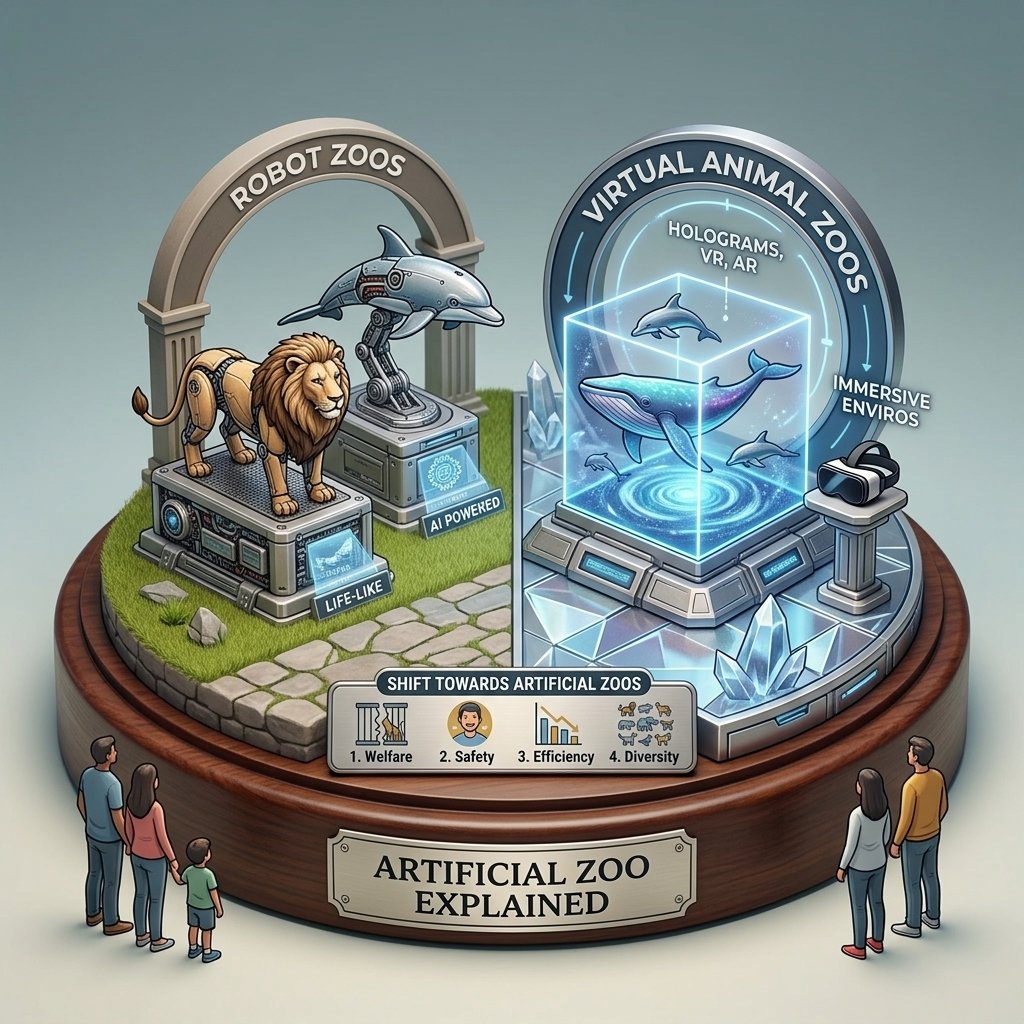
There are two main types of artificial zoos
1. Robot Zoos
These zoos use robot animals that look and move like real animals. They can walk, breathe, blink, and even make sounds. One example is a robot dolphin. It is about 8.5 feet long and weighs around 600 kg. It can swim by itself using simple AI, or a person can control it from far away. It looks and moves almost like a real dolphin.
2. Digital or Virtual Zoos
These zoos exist only online. They are made using 3D design and computer technology. People can wear a VR headset or use an AR app to enter a digital world and see animals — even animals that do not exist in real life.
Why Are Artificial Zoos Becoming Popular?
1. Caring for Animals
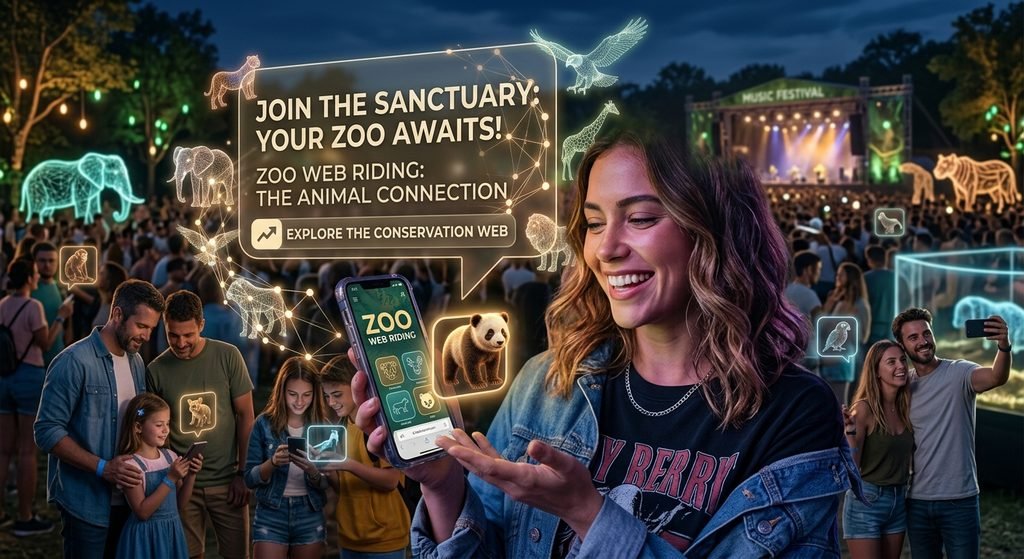
Many people worry about how animals are treated in zoos and marine parks. Some videos have shown that animals like dolphins are treated badly in small spaces. This made people upset. Artificial zoos fix this problem, because no real animals are used or hurt.
2. New Technology
Robots are becoming a normal part of daily life. We already have robot vacuum cleaners and smart home devices. So it makes sense that robots are now used in zoos too. Experts believe this trend will keep growing.
3. A Kinder Choice
In one famous case, an aquarium in China had a “whale shark” that people later found out was actually a robot. Some people felt tricked. But many animal-lovers said this is a kinder choice than keeping a real sea animal in captivity just for fun.
4. Helps with Learning
Experts say artificial zoos do not have to replace real animal protection work. Instead, they can support it. Robots and digital animals can help people learn about wildlife without harming nature.
What Could Future Artificial Zoos Look Like?
Zoo experts have shared some interesting ideas for the future:
- Robot versions of endangered animals, even extinct ones like woolly mammoths
- Special devices that try to show what an animal might be “thinking”
- Bringing back extinct animals, like the dodo bird, using cloning
- Full digital worlds where people wear VR headsets and walk through animal habitats
These ideas may sound like science fiction, but many of them are already possible today. The real question is not “can we build this,” but “will people actually enjoy something they know is not real.”
Will People Accept Artificial Zoos?
Not everyone agrees that robot or digital animals can be as exciting as real animals. When this idea was first talked about, people had mixed opinions. Some found it exciting and modern. Others felt that no matter how real a robot looks, it may still feel boring compared to a real living animal. This debate is still going on.
But as robot technology keeps getting better and more lifelike, people’s opinions may slowly change. Companies that build robot animals for movies are now using the same skills to make robot animals for zoos and marine parks.
A Different Meaning of “Artificial Zoo”
The term artificial zoo is also used in a different way, not related to robots or digital zoos. It can mean fake animal statues, usually made from fiberglass, used in schools, resorts, or parks for decoration and learning. It can also mean artificial rocks and fake habitats used inside real zoos, to make animal enclosures look more natural. This is a completely different topic — it is about zoo design, not about replacing animals with technology.
Final Thoughts
The idea of an artificial zoo — whether it uses robots, digital animals, or both — shows how the future of watching wildlife may change. It gives people a way to enjoy and learn about animals while also caring about animal rights. Artificial zoos may not fully replace real zoos anytime soon, but they are becoming a serious and interesting option. In the future, they could change the way we think about protecting animals, learning, and simply “seeing” wildlife.